Author: Jubilee Anderson

  • The Parent of a Young Writer with Karina Anderson
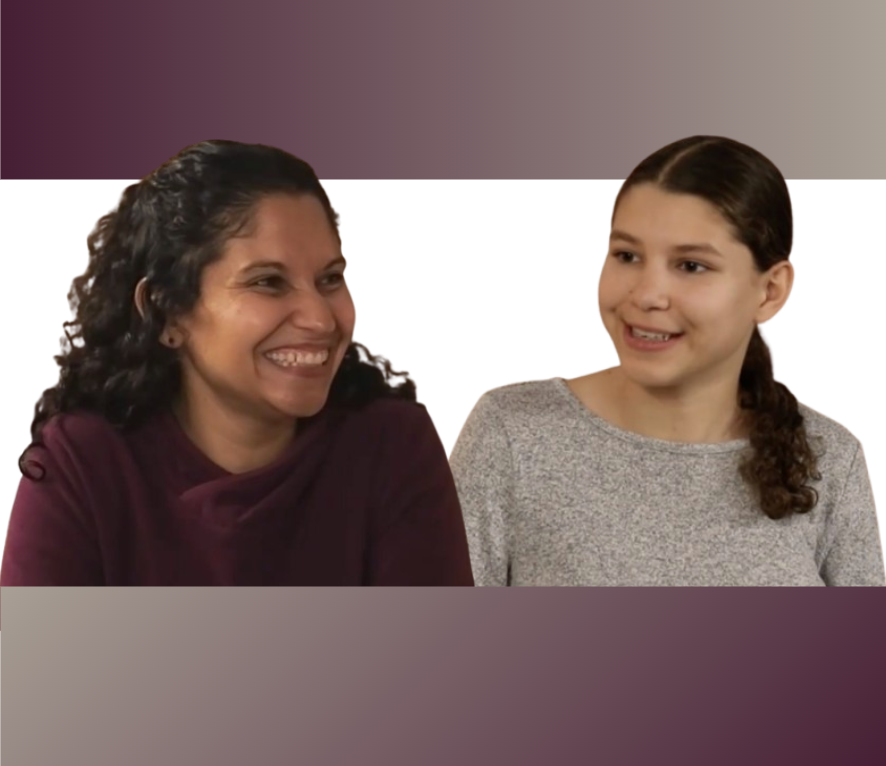
    The Parent of a Young Writer with Karina Anderson

    (My Mom)

    Links:

    TRANSCRIPT:

    Jubilee(Jubi): Hey, Book Bards! Welcome back to my cottage in the woods for an interview with my mom, Karina Anderson. Mommy, I’m so glad to have you here today, and I’m excited talk about what it’s like to be the parent of a young writer. Thank you so much for joining me today!

    Mom: Well, thank you so much for having me, Jubi. This is really exciting!

    Jubilee:My first question is; What is it like to be the parent of a young writer?

    It’s been really fun to see you grow in your writing. From your early, I don’t know, maybe you were 5 or 6 years old, writing Chrysanthemum stories and handing them out to friends that would come over for dinner, to then writing your first book, your Anda and Philip story, and getting to read through that and thinking, she’s really improved from her Chrysanthemum story! And then more recently getting to read the prologue and the first chapter of Knightfall. And, and just being pretty amazed at the leaps and bounds that you’ve made, even just this past year.

    So that’s been fun to watch you grow in your writing skills. And also just to hear the different things that you’re excited about, what you’re passionate about, and what you’re learning. And it’s been fun that you’ve been bringing me into that world and telling me what you’re learning through the videos that you’re watching and the different instructors on The Young Writers Workshop and other podcasts and blogs and different things that you’ve been interested in and have helped me to learn alongside with you.

    Jubilee: How do you balance critiques and encouragement when looking at your own child’s writing? I know a while back I gave you the Anda and Philip story, and then recently I shared with you the prologue and first chapter of Knightfall. You’ve been extremely encouraging, but also especially I’ve noticed with Knightfall, you’ve given some good critique. So how do you balance that?

    Mom: Thank you! I never quite know for sure, but I think mostly is just being honest. You’re asking how to balance critique and encouragement, constructive criticism as we like to call it. I think it’s being honest.

    You’ve mentioned to me several times how something that you love about being around peers that also love to write is that they will give you honest feedback. They’ll tell you where you can actually improve and not just saying, ‘Oh, that was great!’ but actually give you specific pointers on different areas that you can improve in your writing.

    I tend to be kind of a detailed person, so I like to get into the little details whereas I know writers sometimes like bigger picture critiques. I know you told me sometimes, ‘This time when you read my writing, I want you to tell me how you’re feeling. What are you feeling whenever you read this chapter? Are you feeling scared? Are you feeling excited?’

    And I had never really thought through too much about how to read through something that way. I don’t usually think through how my feeling as I read this, but it’s interesting because when I’ve watched movies before, there’s times where I’ve left the theater kind of anxious, or excited. There’s just different heightened feelings there. Or if I’m reading through something really sad, I end up feeling depressed for part of the day. And so that it’s interesting when you asked me that question it just made me think. And that was interesting to see you’re trying to get a feel for; ‘Am I conveying the right feeling to the audience, to my readers?’

    And so that was interesting to be a part of that and to be able to share what I feel whenever I’m reading through something. And so how do I balance critique and encouragement?… I think with honesty, and definitely sharing positives first, and then, ‘Okay, here’s some areas where I see that you could improve upon.’ So that’s, that’s what I think I tend to do.

    Jubilee: Yeah, that’s, that’s really good. Kind of going off of that, you and Daddy have invested a lot in my writing with The Young Writer’s Workshop, and with being willing to listen to me talk about writing all day long, over, and over, and over, and also by reading through some of my stuff. Was there anything in your childhood that your parents did with you, maybe with dance or with something else, that influenced the way you influence me?

    Mom: Absolutely! My parents were very supportive and the cool thing was they recognized that my sister and I were two separate people and we had very different strengths and likes and dislikes. They, they were great about helping us to develop those things. And they were very aware that they themselves weren’t necessarily the ideal teacher for that thing, that that wasn’t their strength per se, but they walked alongside us.

    I was a dancer, and I loved it! I would dance all the time. They would hear me dancing in my room nonstop. I had a closet with mirror doors. I think my parents very intentionally did that so that I could see myself doing the dance moves and critiquing myself, you know, ‘Point your toes,’ and all that kind of stuff. I don’t know how I got away with doing leaps in my room. It was a small room! Sometimes I would kick, kick the furniture by accident. So they put up with all of that.

    But then my parents would also, and my mom in particular, would go to all of our dance competitions and they would stay late at the football games. Sometimes we would get home past ten for sure, sometimes closer to midnight. And they were just, especially my mom, she was just there to support us. I can’t imagine it must have been like for them. I think my mom had fun with it, but she never complained.

    I see it now as an adult, as a mom myself, the sacrifices that she made. But at the time, it was just a ‘given’ that my mom was gonna give me rides to all the different places. And if I needed a new pair of tights that she was gonna buy them, and a new leotard. And those were expensive, but my parents didn’t complain about it. They were very supportive.

    I remember I also got into theater at one point in high school and I think I had probably 14 lines in Charlotte’s Web. I was the baby lamb. And so most of my lines went like this: “Baa. Baa.” I had a few little one liners in there. But I was just excited to be a part of the show.

    My dad went and watched me, and afterwards, it impacted me so much because he wrote me a letter with so much praise and encouragement telling me how proud he was of me. For my 14 lines. He said something to me. He said, ‘I support you and whatever you want to do when you grow up, even if it’s acting’ They were always very encouraging.

    And then when I went to college, they just let me pick whatever I wanted to do. I started out doing accounting and realized pretty quickly that I didn’t want to sit behind a desk all day and be by myself. I thought, “Well, that seems kind of a lonely career. I think I would rather do education.” I switched to that and they were very supportive of that.

    And not just for me but also for my sister. My sister was into music. She was in the band. She played trumpet, she was really good at it. She also played piano. They paid for her piano lesson since she was 7 years old. And, and then she also got into photography. That’s what her major was in college. They just supported us all the way through. They didn’t really question it. They just backed us up. So I loved that about them.

    Jubilee: Wow, well, I did not know all that! That’s very interesting!

    Mom: That’s your grandparents! 😀

    Jubilee: Going back to sharing a piece of writing with parents, I know sometimes I’ve been in this situation before, where I want to share my writing with you because you’re my parents and you guys are supporting me! But sometimes I feel like a little bit scared. What would you tell a young writer who is afraid to share their writing with their parents?

    Mom: I would tell them to let their parents know, “Hey, I really want to share this with you. I’ve felt a bit apprehensive about doing it. But, I want you to come in on that part of my life with me and to be a part of that!” And I think that their parents would be so honored. I know I have been. Anytime that you’ve shared something with me, I’ve just been so proud of you. And I’m sure that their parents would be so proud of them to be able to see what they’re doing, what they’re producing.

    So, I would say, do it! Step forward in that fear. God does not give us a spirit of fear. (2 Timothy 1:7)

    You’re gonna face many more fears and this is gonna be a small one. Because think about sharing it with the greater public: Sharing it with an editor, sharing it with an agent, those big people out there in the writing world. If you think about it, sharing writing with your parents is actually a really small step. That builds character right there and helps you to take a small step for that day when you’ll be taking an even bigger step when you go to try and publish your work.

    Jubilee: I’ve really enjoyed this conversation with you!

    Mom: Yeah. Me too! I’m glad to do this.

    Jubilee: Thank you so much for joining me on my podcast!

    Mom: Well, thanks for inviting me! I loved it!

    Jubilee: Bye everyone!

  • Lost in the Blizzard

    Lost in the Blizzard

    11-Year-Old-Me Edited Writing

    Hey, ya’ll! I thought it would be fun to share some of my writing from when I was about 11 years old. It’s been slightly edited for easy read but it’s otherwise mostly the same. 🙂

    Backstory: Two cousins who live next door to each other and are practically siblings are going on a road trip to see family for Thanksgiving. Enjoy!

    * * * * *

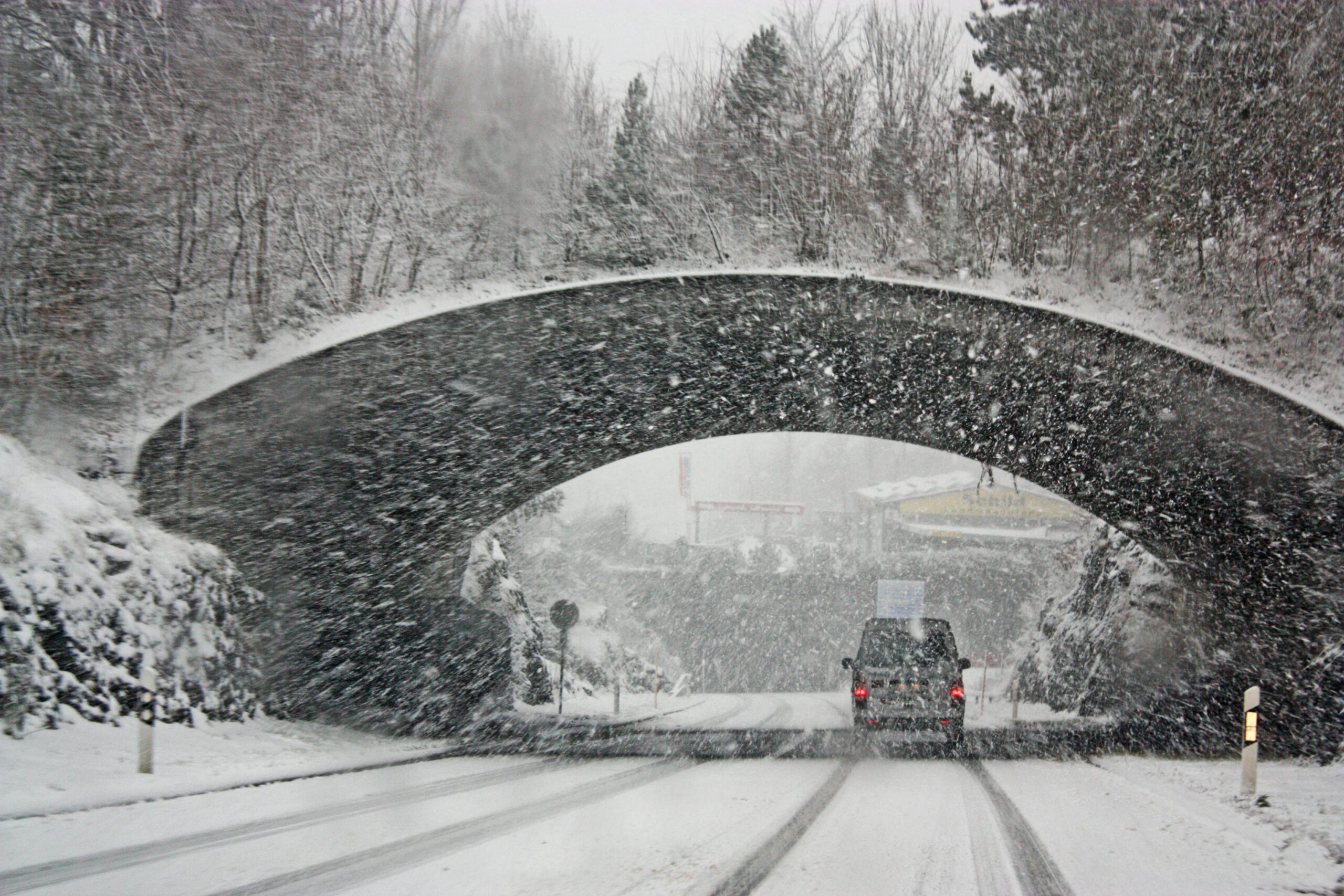
    The car made its slow way around the bend in the road in the “wail of the gale”  as the cousins had joked a few hours before.  The wind wasn’t really that strong, but it still made a howling noise.  

    Suddenly, the car lurched to a stop.  Ezra banged his hand on the steering wheel for the fiftieth time.

    “Stuck again!  We’ll have to clear out that ice again!  Come on David.”  The two men opened the passenger door and both disappeared in the freezing wind.   When they finally stepped into the SUV again, they were covered in snow and ice, and their noses were red from the cold.  Ezra took the wheel again, and they drove off at a very slow pace.  

    But it was only a few minutes before David cried,

    “We’re stuck!”

    “Yep!  We sure are.  Hey kids! Wanna help?”

    “Really, Ezra!  Are you sure it’s safe?” asked Thea.

    “Yeah, sure it is!  It’s just a snowstorm, anyway.  We’ll get the car moving the faster we get it unstuck.”

    “Please, may we help!” pleaded Anda.  The mothers glanced at each other and gave in.

    “Alright, but promise you’ll be very, very careful, and you must hold onto the car at all times!”  Aria warned the children.

    “Yes, and obey your fathers.”  Thea added.  

    “Get your coats!”

    “Keep your gloves on the whole time!”  

    So, amidst worries and warnings from their mothers, Anda and Philip slipped out of the van to help David and Ezra.  Anda took a deep breath and cold air rushed up her lungs.  Then she hobbled over to the other end of the SUV in her heavy jacket to assist her cousin.  The two chipped and pounded with their fists, but the snow kept melting into water and freezing the tire into a fixed place on the road.  

    Anda began to notice the cold.  Her hands felt like pins and needles in her gloves.  The freezing snow streaked across her stinging face.  Not only did she feel the cold, but she also noticed that the wind had begun to pick up.  Quickly, quickly!  Find out how to detach this car from the ice!  thought Anda.  Suddenly, she had an idea. “Hey!  Maybe we can find a stick in that tree to use!”

    “But Anda!  Mom said
”  But Anda had already taken off.  Philip ran after her.  With every step, the wind gained strength.  Anda reached the tree and grabbed a strong limb firmly in her gloves.  Philip grasped the other side of the branch.

    “Three, two, one, pull!”  Philip shouted over the storm.  The two children yanked with all their might, and though the branch did make a slight cracking sound, it didn’t budge.

    “Oh great!  Now what?” wondered Anda.

    “Well, don’t give up so easily!”  exclaimed Philip.  So the cousins heaved and yanked and pulled and puffed and gasped as the wind grew yet stronger.  

    “You’re right!”  Philip huffed.

    “Let’s go ask Dad what to do.”  The cousins turned toward the direction of the SUV, but the wind-carried snow made it increasingly difficult to find the van in the whiteness.  Anda had to squint to keep snow out of her eyes.  The car was nowhere in sight.  They walked until Anda was sure they had hit the road.

    “If we dig, we can be sure we are standing on the gravel.”  Anda realized.  So her cousin stuck his hand into the whirling snow and pushed it aside until his hands ached from the freezing wetness.  But his fist hit twigs and dirt.  The two children peered into the distance.  A sound had caught their attention.  

    “We must be very close to the road.  That sounded like a car!”  Anda and Philip proceed towards the sound. 

    Just then, Philip shouted, “Anda!  Isn’t that our car?”  He pointed to a shadowy appearing object.  It was the car!  Anda and her cousin stumbled and slipped in the snow towards the shadow, but at that moment, the shadow began to move.  Slowly at first, but gradually faster and faster!  

    “Oh no!  The SUV is leaving without us!  Run Anda!  Mom, Dad, Aunty Thea, Uncle Ezra, wait!”  screamed Philip.  But the van was long gone. They were lost in the blizzard.

    Lord, I don’t understand, but help me to still trust you, Anda prayed.

    * * * * *

    You may never find out what happens next… *evil cackle*

  • The Faithful Servant

    The Faithful Servant

    Hey, friends! Today we have a special guest…. I am so excited to announce that my friend Ali has written a short story! Enjoy reading The Faithful Servant!

    By Ali Timmer

    Faithful stared out of her window, watching as the Servants Of The King Of Life, the ones who worked at His Palace, hummed merrily on their way to work. Faithful straightened her shoulders, and took a deep breath. Tomorrow, at this time, she would hopefully be joining those Servants. The King had done so much for her, by making this safe nation where she, a widow, could find her refuge. The King had often talked with her, as he tried to do with all of his newcomers. 

    She hoped for a job as the Head Chef. Faithful was a righteous and kind woman, but when she came to apply for a job in the kitchen at the palace, the officials said 

    “You must first prove yourself faithful in very little before we can put you in a higher poison.” 

    So they put her to wash dishes and help clean in the kitchen. 

    At this time there was also another woman named Dishonor who also applied for a kitchen job at the palace. But when the officials replied to her in the same way they replied to the first woman, she cried,

     â€œI can handle more than a few dishes! Let me be the Head Chef!”

    The officials debated whether or not to let the woman even work there. Finally, they allowed Dishonor to be one of the Servants, but they did not give her the title of Head Chef. “Perhaps her attitude will change,” they muttered.

    A few days later, Faithful was washing dishes with Dishonor, when Faithful said to Dishonor,  

    “What a wonderful day!It’s a wonderful day, isn’t it?”

     “What’s so ‘wonderful’ about it, when we have to stand here, washing other people’s dishes?!” Dishonor snapped. 

    “I’m sorry you’re not enjoying your day,” said Faithful gently.

    “Washing dishes is easy.! It’s just boring! Why, I have the skills of the head of the Palace Kitchens. But no, they had to put me as a dishwasher!” Dishonor threw her soapy hands up in exasperation.  Faithful dried her hands on the towel and put a hand on Dishonor’s shoulder.

    “You know, I’m sorry you feel that way, but whoever, ‘is faithful in very little, is faithful in very much, and whoever dishonors little, dishonors much.’ Don’t you know that wise saying? Jesus said it.” asked Faithful. 

    “No. And I don’t care what this Jesus man has to do with anything!” screamed Dishonor. “It’s not fair!  I deserve the position more than anyone!  I should be Head Chef! Not standing here working!”

    When the officials heard what had happened, they fired Dishonor. In time, Faithful was proven righteous before the officials. One week, they made her the Head Chef.

    With God’s help, she ruled the kitchen wisely and lovingly. 

    “Whoever can be trusted with very little can also be trusted with much, and whoever is dishonest with very little will also be dishonest with much
.”

    -Luke 16:10

    *****

    I hope you enjoyed The Faithful Servant! What’s your favorite short story? Tell me about it here! If you’d like to receive updates on future posts, subscribe to my email list here.

  • The Broken Bridge and the Blind Man

    The Broken Bridge and the Blind Man

    The Broken Bridge and the Blind Man: The Choices of Jabarri

    By Jubilee Anderson

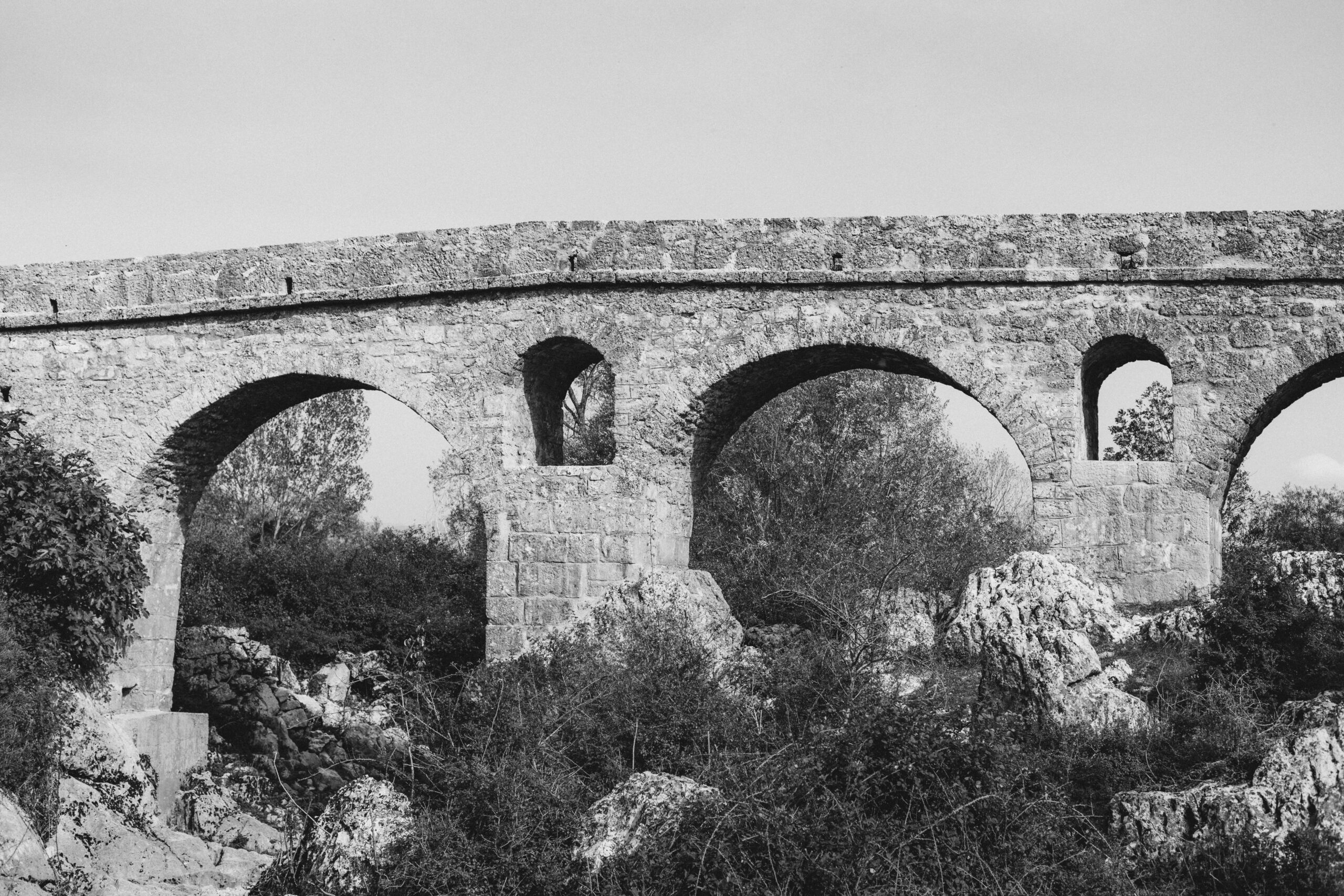
    Jabarri placed his hands on his shaking knees.  His hood hung loosely around his shoulders and streams of water dripped from his dark hair.  He squinted through the sleet as the last strut holding the center of the bridge slid downwards with a creak.  

    If he had been a second too late
 His heart felt like a speeding train, hammering so fast it rattled his chest.  

    A faint boom sounded as the strut shattered on the rocks below and the torrents of water washed the shards away.  The remainder of the bridge clung to the sides of the cliffs, but cracks etched themselves in the rock.  Jabarri backed away.  

    The bridge sagged and cracked in two.  Large chunks of the cliffs came loose and crashed into the water, sending tidal waves in every direction.  Jabarri’s knees collapsed.  He sank to the rocky ground and stared into the depths.

    When the muddy foam had settled, Jabarri picked himself off the ground and turned away from the drop off.  He walked back to the gravel road on wobbly legs.  The sleet sloshed into the brown puddles and splattered on the road.  Jabarri’s old flooded boots crunched steadily on the gravel and the water in them soaked his socks.  

    Jabarri stopped.  He heard the faint sound of feet on gravel and an odd scraping sound through the rain.  Another figure hobbled round the bend in the road.  Jabarri watched as the man moved the cane in his hand from side to side.  

    His name was Anker.  He could often be seen hobbling about the outskirts of the village, but no-one looked his way.  The scraping from the cane on the gravel continued as the man neared Jabarri.  

    Jabarri’s mind instantly flashed back a few seconds before to the sound of the bridge breaking apart and crashing into the water.  Would Anker know the bridge had fallen?  Maybe blind men could tell when there was nothing before them to step on
  After all that’s what a cane was for. But what if he didn’t? 

    No doubt Anker was heading for his home across the bridge.  Jabarri took a deep breath to call out to the blind ma—

    What would Anker think of his voice? 

    Jabarri’s tongue froze on the bottom of his mouth and he snapped his mouth shut.  People often commented on his voice.  It sounded
well, nasally and high-pitched.  It sounded like an annoying little kid.  A whining annoying little kid throwing a tantrum.  In other words, ridiculous, and it was no wonder that people noticed it.

    It was, in fact, so ridiculous, that Jabarri avoided the public as often as possible.  Hence him being out on the bridge alone in the rain.

    Anker scraped along with his cane.  A turtle could have beat him in a race.  Jabarri’s heart thumped.  He would tell the man about the bridge when he was a few feet away.  Anker plodded on.  The scraping noise on the gravel was becoming a nuisance.  

    He was only ten feet away.

    Now two yards.

    Jabarri would begin to talk in a few seconds.  He would say, ‘Sir!  The bridge is out!’  A few more steps and then he would say it. 

    Anker crept a few more steps until they were only three feet apart.  Now, now he must say the words!  Anker stopped so suddenly Jabarri jumped back, but he managed to hold his tongue.

    “Hello?  Is anyone there?”  Anker wheezed in his spindly voice.

    Any minute now the words would come out.  Jabarri was a frozen statue, with the sleet pouring onto his wet head and around his feet.  Now!  He should have warned the man long ago.  His tongue would not move.  

    Anker took a few tiny steps toward Jaberri, his high-pitched gasps escaping the thin opening between his lips in a white cloud.  A lock of Anker’s gray hair fell over his glazed eyes.  Jabarri was motionless.  

    “Hello?  Is someone here?”  

    Jabarri held his breath.  Anker stretched his cane out and slid it across the ground.  It went a little too far and hit Jabarri on the side of his old soggy boot.  The old man stumbled and fell at Jabarri’s feet.  His cane toppled and one end landed over his boot.

    Jabarri did not move.  What if the man had, instead of hitting Jabarri’s boot, hit a rock and went plummeting down the cliff?  Jabarri opened his mouth to say, ‘Sir!  Pray don’t go any farther!’ but only got as far as, “S–” before silencing his breath.  He thought the sound he made was like the buzzing of an insect.

    Anker felt around for his cane.  His hand slid across the gravel, inches from Jaberri’s boot.  He could not feel the cane because it rested on the boot and was a few inches above where he was feeling.  

    At last he lifted his arm slightly and the back of his hand brushed the handle of the cane.  He felt around the torn leather and wooden sole of Jabarri’s boot until he wrapped his fingers around the handle.  

    “I could have sworn that it was a man’s boot I felt.  I must be getting old indeed.  Not even my fingers recognize what they touch.”

    Anker placed his left hand on his knee and held his cane with his right.  He rose slowly until he was standing straight, only inches from touching the only other living soul on the road.  Jabarri did not move. 

    The blind man wrinkled his brow.  “I could have sworn I heard someone else, but I suppose I am going deaf in this rain,” he muttered and turned away.  His cane scraped the gravel.  Scriiitch!  Scraaatch!  Back and forth.  Away he went down the path.  Jabarri turned his head.  He opened his mouth to speak one last time.  

    And there it remained open until the man disappeared around the final bend before the bridge.  

    He could still run up to the man and warn him before he fell.  Jabarri took a step in the direction of the bridge. Was it the sleet filling his worn boots that prevented him from moving?  Rainwater dripped down his nose and his breath came out before him in foggy puffs.  

    If a blind man could tell that there was a person even when the person made no sound, then surely he could tell that the bridge was out even if no-one told him so!  Of course!  Why hadn’t Jabarri thought of that before?  

    Jabarri nodded smartly to himself.  Then he turned on his heel.  He hurried away as fast as he could walk until he reached his hut.  He swung the door open and slammed it behind him.

    Meanwhile, Anker teetered on, swinging his cane before him.  His ears instantly caught the sound of the rushing water.  Ah yes!  He had made it to the bridge.  Only half a mile left and he would be home.  Suddenly, his cane hit a rock.  He gasped and stretched his hands out to catch himself, but alas!  The ground had disappeared!

    *****

    (A meme for good measure)

  • Interview with Chloe Ann

    Interview with Chloe Ann

    Hey everyone! It’s been a while since I’ve posted! Today I’m excited to share a writer interview with Chloe Ann! Chloe shares some wonderful reasons as to why she writes and encourages fellow writers to think about their reasons for writing as well. Enjoy!

    ……………………………………………………………………………………………………………….

    Thank you so much for doing this, Chloe!  I can’t wait!

    Absolutely! I’m so excited for this interview!

    When did you start writing and what did you write?

    When did I start writing? I can’t remember. We’ve got pictures of me at seven or eight years old with a notebook and a pen posing for author pictures. I loved writing, loved creating story worlds, and still love doing both of those things. 

    My earliest story was about a princess (me) who helped rescue an orphan slave girl. It was all handwritten and I’m missing half the pages of the story, but I think she lived in some fantasy country that really resembled the Bahamas. She had a private litter (you know, the thing people carry you around on?), private bedrooms, a private pool. She was pretty cool.  

    For a few years, I was working on one story, entitled “Chosen One” with a girl protagonist who looked and acted a lot like me. It was a pretty fun story, but fell apart as I went farther in the writing process. Later, for school, I was assigned to write a short story. I didn’t think I could do it because I could only come up with dramatically long plots. But I did it and we got it published in a private anthology. After that, I dabbled in short stories and wrote a handful of them. I wrote a couple novellas and finally stumbled onto the project I’m working on now.

    How have your stories progressed over the years?

    Progression is painful. It means admitting you were wrong. And yes
 myself at eight years old was writing my stories wrong. But progression is also about making things better. My stories have gotten better in their plots. They no longer have the stereotypical “hero saves the princess” kinda ring to them. My characters have become stronger. They’re not perfect cardboard cutouts, slapped into a world that I thought would be fun to live in. They’re the embodiment of ideas and beliefs, designed to show readers what is truth and what isn’t. 

    Why do you write? 

    Harriet Beecher Stowe was the daughter of the president of a theological college in Ohio in the 1800s. In 1851-52, she published her most famous work, Uncle Tom’s Cabin, in a cry of outrage against slavery. Her book caused such a massive tidal wave that Abraham Lincoln is recorded as having said upon meeting Mrs. Stowe, “So you’re the little woman who wrote the book that made this great war.”

    Words have power. Since I can remember, I’ve wanted to be Harriet Beecher Stowe. I’ve wanted to write against injustice in the world and write to tell others about the Truth that can set them free. Words have the power to change people’s lives. Writers, use that power for the glory of God. 

    If you could go back and give your younger self writing advice, what would it be?

    Firstly, don’t make your main character yourself. A good hero has failures, losses, and is usually pretty awful until the author makes them good. My eight year old self did not know that.

    My favorite writing quote is by Richard Bach (I have no clue who he is, but I like his quote): “A professional writer is an amateur who didn’t quit”. If I could tell myself one thing, it would be to not quit. All those years of awful stories eventually paid off.

    Do you have any encouragement/advice for young writers reading this post?

    If your identity is in your writing, then it’s in the wrong place. That might sound weird coming from a writer, but it’s true. You’re going to get bad reviews, going to get negative critiques, and going to struggle with writer’s block. You may think you’re over all that, but you’re not.

    Clinging to writing as your identity is building your house in sand. When waves and hard stuff come, your house is going to collapse. Put your identity in the One who is worth it. Writing’s not worth it. Once you figure that out, you’re well on your way to becoming a good author.

    Have you published anything?  Where did the inspiration for this project come from?

    The project I’m currently working on is a fantasy series about a young man who is separated from his past life. Saved by friends he once called enemies, he now is fighting enemies he once called friends. Forged by Fire combines the themes of “The Chronicles of Narnia” with the allegorical elements of Pilgrim’s Progress and the sacrifices of Les Miserables. It’s the first book in my series, “Condemned” and will hopefully be soon followed by the second book, whose working title is Child of the Darkness. 

    The inspiration for Forged by Fire carried over from those old stories I wrote years ago. I always wanted to write an allegory and hide truths in a tale that would hopefully touch a reader and make them evaluate their own life. My editor will be getting Forged by Fire in October and it will probably be a year before the book is released. 

    What is the best place for a reader to find you if they were interested in you and your stories?

    If you’re on the Young Writer’s Workshop, then follow me there. I would love to chat about anything and everything at any time!

    I’m working on building my blog, centered around reading literature that goes against the cultural trend. Since the website is still being built, I can’t release the name just yet. But it should be up and running within the next few months. 

    ……………………………………………………………………………………………………………….

    I’m so glad I got to do this interview! For those on my email list, you can look forward to more information about Chloe’s website and blog at a later date. Have a blessed day!

    UPDATE: Chloe has a blog. If you are wondering where to find your next book to read, I cannot recommend her website enough! Check it out here!

    If you enjoyed this post and would like to receive updates on new content, subscribe to my email list here!