
Transcript:
Jubilee Anderson:
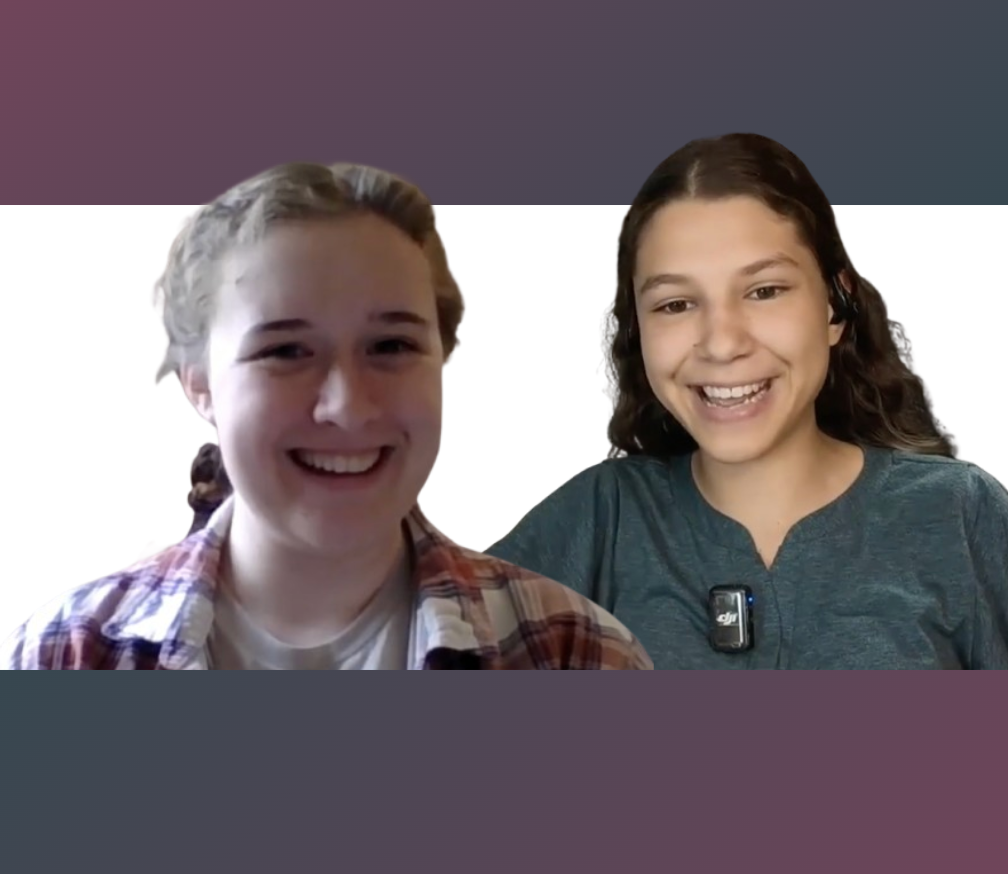
Hey everyone! Welcome back to The Book Bardess podcast! Today we’re going to be crafting theme with Autumn Crane!
Autumn loves to create things—she is a cake decorator, musician, and of course, an author who has been writing consistently for two years. No matter what genre Autumn is writing in, she strives to mix hope and humor with a truthful depiction of the world. In everything, she wants to glorify God and bring Him joy.
So Autumn, thank you so much for joining me today. I am so excited!
Autumn Crane:
Yes, thank you for having me!
Jubilee Anderson:
So, in your own words, how would you define theme?
Autumn Crane:
I would say theme is the heart of the story. It’s the message the reader takes away at the end. Theme is the universal truth that everyone can carry from it.
Jubilee Anderson:
That’s great. So what themes resonate with you in other authors’ books?
Autumn Crane:
The ones that resonate most are the themes I’ve been struggling with. The things that are hard for me to learn, or that I’m in the process of learning. Getting that boost of encouragement from a story is powerful.
For me, themes like growing up, change, and community really hit home, because those are things I’ve been wrestling with.
Jubilee Anderson:
Yes, that’s definitely true for me as well—things like having a lot of siblings, sibling rivalry, love, and forgiveness. Those are some themes that resonate with me.
How do you use symbolism or imagery to reinforce your theme without being too obvious?
Autumn Crane:
First, don’t worry about it too much, because what’s in your heart will come out whether you’re trying to or not—which can be both scary and really cool.
For me, symbolism is usually something I slip in during the moment. If you’re not setting out with the goal of “teaching a theme,” it usually won’t come across as preachy.
If you find a fun moment where something symbolic fits, add it in. People may notice or they may not, but either way it adds depth.
Jubilee Anderson:
That’s really good. I don’t remember exactly how he said it, but S.D. Smith talks about how when you’re a Christian, your faith naturally comes out in your stories—whether you’re trying to or not.
So here’s a similar question: How do you balance exploring a meaningful theme without becoming too preachy?
Autumn Crane:
It’s really about giving it over to God. I’ll pray, “Lord, I know you’re leading me to put this into my book—help me do it in a way that honors you.” And it works out.
Sometimes, when you hand your draft to someone and ask, “What messages are you getting from this?” you’ll find that God has woven in something even better than what you intended.
If your goal isn’t to teach a lesson, it usually won’t come off as preachy.
Jubilee Anderson:
That’s a really good point. How does theme shape other elements of your story like plot, setting, or tone?
Autumn Crane:
I’d say theme affects characters the most, because it often overlaps with what your character is learning. Once it shapes your character, it naturally spreads into the plot, setting, and tone.
For me, characters drive the story, so their journey—and the theme they’re living out—ends up woven into everything.
Jubilee Anderson:
Yes, they’re all so closely connected. What advice would you give to writers who struggle to identify the theme in their own work?
Autumn Crane:
Look at what’s happening in your life—your theme often reflects that.
If you’re going through change or new relationships, your themes might naturally be about building community or navigating life changes.
Also, have someone else read your work and tell you what messages they see.
Another tip I learned in middle school literature class was to start a sentence with “The author believes that…” and fill in the theme you think the book conveys. Then cross out “The author believes that,” and what’s left is the theme. That exercise has been really helpful, and I can even use this method on myself by reading my own writing and asking, “Is this what I want readers to take away about what I believe?”
Jubilee Anderson:
That’s really interesting. Your English teacher must have been great. So what resources would you recomment for people trying to craft the theme of their next story?
Autumn Crane:
I’m not big on books about writing, but I’ll give a shameless plug for the Young Writers Workshop. The community there is incredible and always willing to help.
Also, just read good books. Study how themes are woven into the ones you love. And look at how God is teaching you lessons in your own life. If you pay attention to how you’re learning, it’ll help you write characters who learn in authentic ways, and that helps your readers learn too.
Jubilee Anderson:
That’s really good. We’re almost wrapped up with our interview today, but I have one more question: Where can listeners find you online?
Autumn Crane:
You can find me on the Young Writers Workshop and through events like Crazy Writing Week, Crazy Editing Week, (Note: the previous two links are not up to date) and Crazy Writing Month. Look up “Autumn Crane” and you’ll find me.
Jubilee Anderson:
Everyone, go check out the Young Writers Workshop!


Thank you so much for joining me today, Autumn. This has been so much fun.
Autumn Crane:
Thank you!